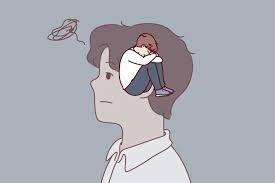
Some people grow up carrying invisible weights—memories and experiences from childhood that still affect them years later. Even when they get older, those early moments stay with them and can shape the way they think, feel, and live.
Childhood trauma, sometimes called Adverse Childhood Experiences (ACEs), includes things like abuse, neglect, and growing up around stress. These events are powerful because they happen while the brain and body are still developing. Research shows that trauma can influence emotions, health, and relationships long after childhood ends.
What counts as childhood trauma?
(Source: PaloAltoU.edu)
Childhood trauma can happen in many different ways. Palo Alto University describes several major types, including physical and emotional abuse, sexual abuse, and neglect. Trauma can also come from unstable or stressful homes where children don’t feel safe.
Because young children don’t always understand what is happening, they react in the ways they know how—crying, shutting down, acting out, or having trouble communicating. These reactions can follow them into their teen and adult years if the trauma is never addressed or supported.
Long-term emotional and mental effects
(Sources: URMC.Rochester.edu and CounselingCenterGroup.com)
The University of Rochester Medical Center explains that early trauma can make a person more likely to struggle with emotional challenges later in life. Some adults experience depression, anxiety, or signs of PTSD, such as trouble sleeping or feeling constantly alert. Others may find themselves shutting down during conflict or having a hard time expressing what they feel.
The Counseling Center Group adds that early stress can even change parts of the brain that control emotions, memory, and stress reactions. When the brain grows under pressure, it can learn to react as if danger is always present, even when a person is safe. This can make everyday situations feel more intense or overwhelming.
Effects on physical health
(Source: PaloAltoU.edu)
Trauma doesn’t only impact how people feel emotionally—it can affect their physical health too. The problem with trauma is that it brings this thing called an ACE, which triggers toxic stress, disrupting brain/body development, leading to chronic inflammation and altered stress responses. According to Palo Alto University, adults with higher ACE scores have a greater chance of developing illnesses like heart disease, obesity, diabetes, and other long-term health problems connected to stress. Some studies even suggest that severe early trauma can shorten a person’s life expectancy. And the problem with this happening is that in California more than 70% of adults have at least one adverse childhood experience, with 1 in 5 adults in California having four or more ACEs, indicating significant childhood adversity statewide.
How trauma influences adult relationships
(Sources: URMC.Rochester.edu & CounselingCenterGroup.com)
Relationships can be especially challenging for adults who faced trauma as kids. The University of Rochester Medical Center notes that trauma can make trusting others more difficult. People may struggle to open up, fear getting hurt, or overthink situations in relationships.
The Counseling Center Group also points out that early stress can shape how someone responds in close relationships. They might pull away when things get emotional, worry too much about being abandoned, or react strongly during disagreements. These habits often start as survival skills in childhood and can stay with someone unless they learn healthier ways to cope.
Conclusion
Childhood trauma can leave marks that last well into adulthood, affecting mental health, physical health, and relationships. Even though these effects can be serious, they are not permanent. With support, therapy, and understanding, people can heal from their past and build lives that feel safer and healthier than the ones they grew up in. If you want change yourself you should be the change you want to see in parents and family in general.
Sources
- University of Rochester Medical Center — urmc.rochester.edu
- Palo Alto University — paloaltou.edu
- Counseling Center Group — counselingcentergroup.com







Angelique • Jan 13, 2026 at 2:12 pm
Something I didn’t know was that trauma could effect your physical health too.
sebastian • Jan 13, 2026 at 9:50 am
this is actually more deeper in our minds than I thought it was to think something that happens so young affects us later 😮