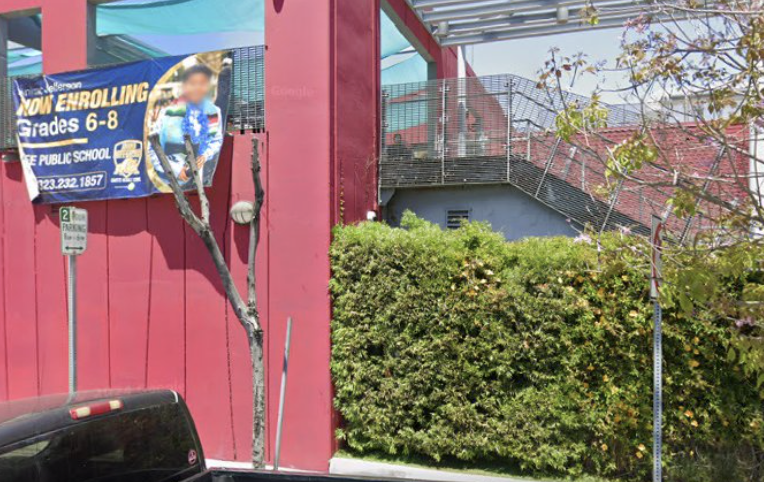
Due to Immigration and Customs Enforcement (ICE) activity affecting the students and families at Animo Jefferson Middle School, Wendy Perez, an assistant principal, alongside other staff members, have taken precautions to ensure the safety of everybody.
AJMS has a Hispanic population of about 95 percent, which is the main demographic that has been detained by ICE under the Trump administration. As a result, many parents have become afraid of sending their children to school.
“Attendance has definitely been impacted,” Perez said. “I talked to students who say that they couldn’t come to school because their parents were worried about ICE.”
Some students are curious about the procedures if ICE were to come to the school.
“We will always try to check who they are before coming onto campus,” School Operations Manager Jocelyne Aguilera said.
Other students are afraid about ICE getting inside the school.
“If someone tried to break in and hurt someone, the security inside would be notified about the situation.” Aguilera said.
There’s also the possibility of ICE appearing after school, considering that Donald Trump has ended the policy that schools are off-limits to federal agencies like ICE.
“If ICE are outside after school, the kids would be brought inside and parents would be contacted to meet elsewhere,” Perez said.
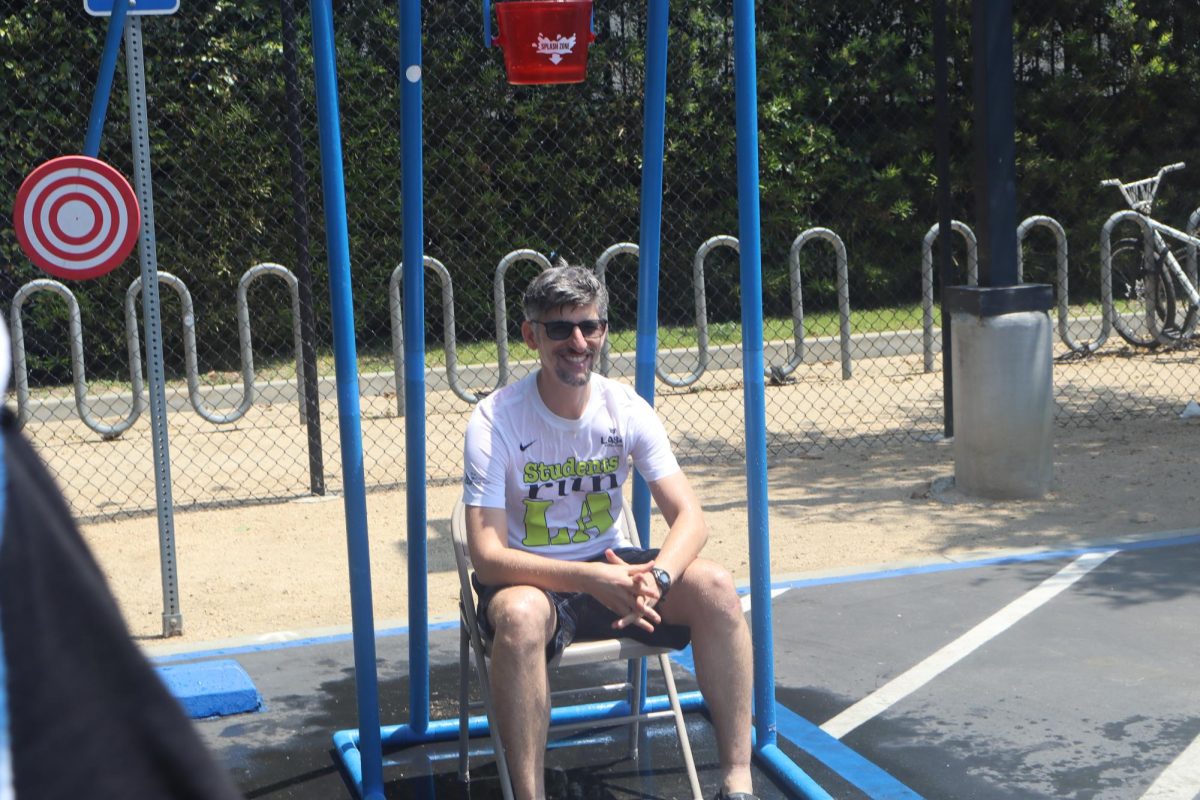
Even the Students Run LA (SRLA) team at AJMS has been affected by ICE activity.
“We actually had this situation two weeks ago during one of our long runs,” SRLA coach Carl Finer said, about students encountering ICE detaining a street vendor. “We tell our runners if you see police activity or ICE or anything like that to go away from it, not towards it.”
Perez says that some people are wondering if there are any resources for families.
“The big thing we are trying to do is have some legal workshops,” Perez said. “The purpose of being at the workshop is so you can know your rights and how to operate in the world.”
ICE activity has negatively affected some students at AJMS. The school offers resources for students that need someone to talk to.
“I still check up on people, ask if they’re fine, and offer everybody the ability to go talk to adults.” Perez said.
Perez provides some insight as to how to improve the experiences of students at the school.
“For our campus, one thing we could work on a lot is being an ally,” Perez said. “I think more voices together makes us more powerful.”