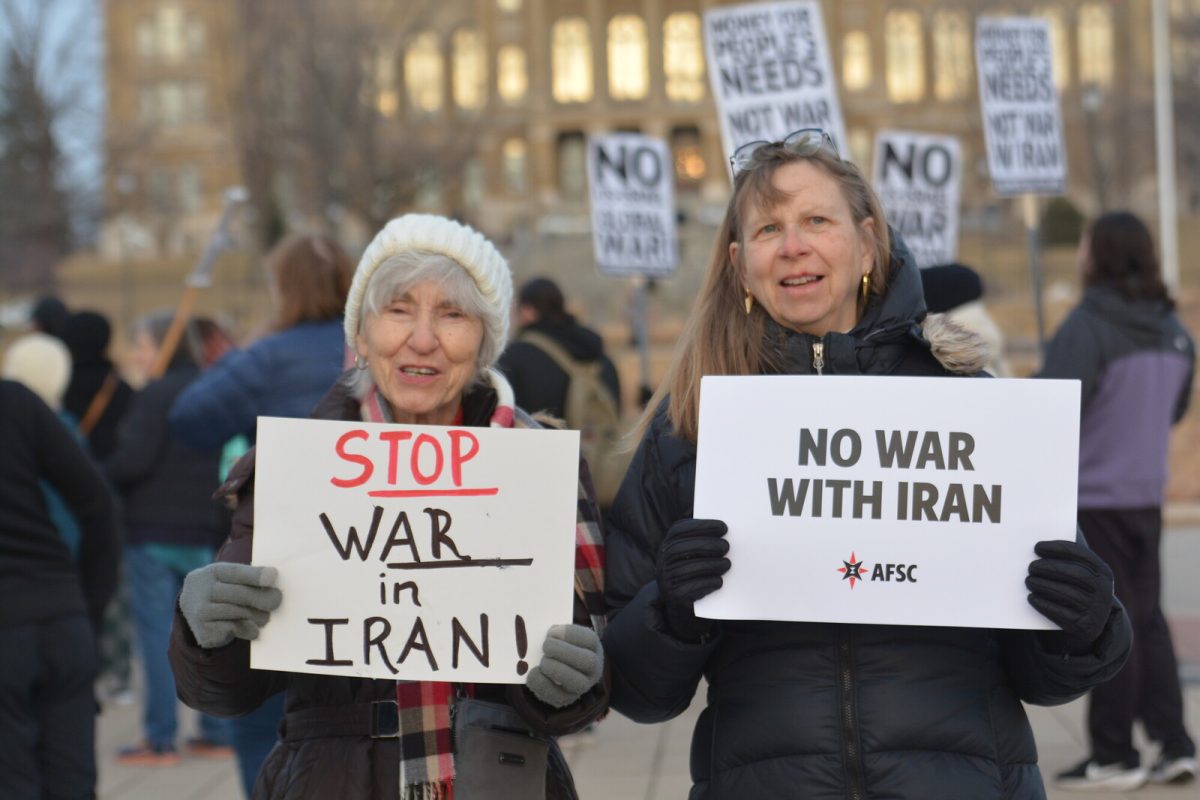
On February 28, the United States and Israel launched coordinated military operations against Iran.
Iran has responded by launching missiles and drones, targeting Israeli population centers as well as U.S. military positions. Iran also blocked the Strait of Hormuz to prevent any vessel from entering or exiting the region.
“Beyond the military impact, these developments raise significant questions about what a post war Iran might look like and the potential for a new era of regional diplomacy,” according to ajc.org.
Oil prices are increasing ever since the Iran war began.
“March marked one of the largest monthly oil price jumps on record, with Brent gaining 51% as Gulf output fell and exports stalled,” according to CNBC.
Over 1 million jobs have been lost in Iran since the war began. Food prices have gone up in Iran, including a 75% increase in chicken cost and a 68% jump for beef and lamb in Iran, according to Deputy Labor Minister Gholamhossein Mohammadi as reported by Greenwichtime.
“Gholamhossein Mohammadi, Deputy Labor Minister stated that the war has “wiped out more than one million jobs” and caused the “direct or indirect unemployment of two million people,” according to English.elpais.com.
Here in Los Angeles, people are worried about family and friends in Iran.
“For the past four days, there’s no internet. I couldn’t even directly call my parents from like cellphone to cellphone, but last night, only one of my cousins could get some sort of access. She texted me, ‘Don’t worry. We’re fine. Everything is OK,'” Rahbari said. According to abc7.
“President Trump signaled an utterly extreme future for the region in his April address, stating, “We’re going to bring them back to the Stone Age, where they belong.”