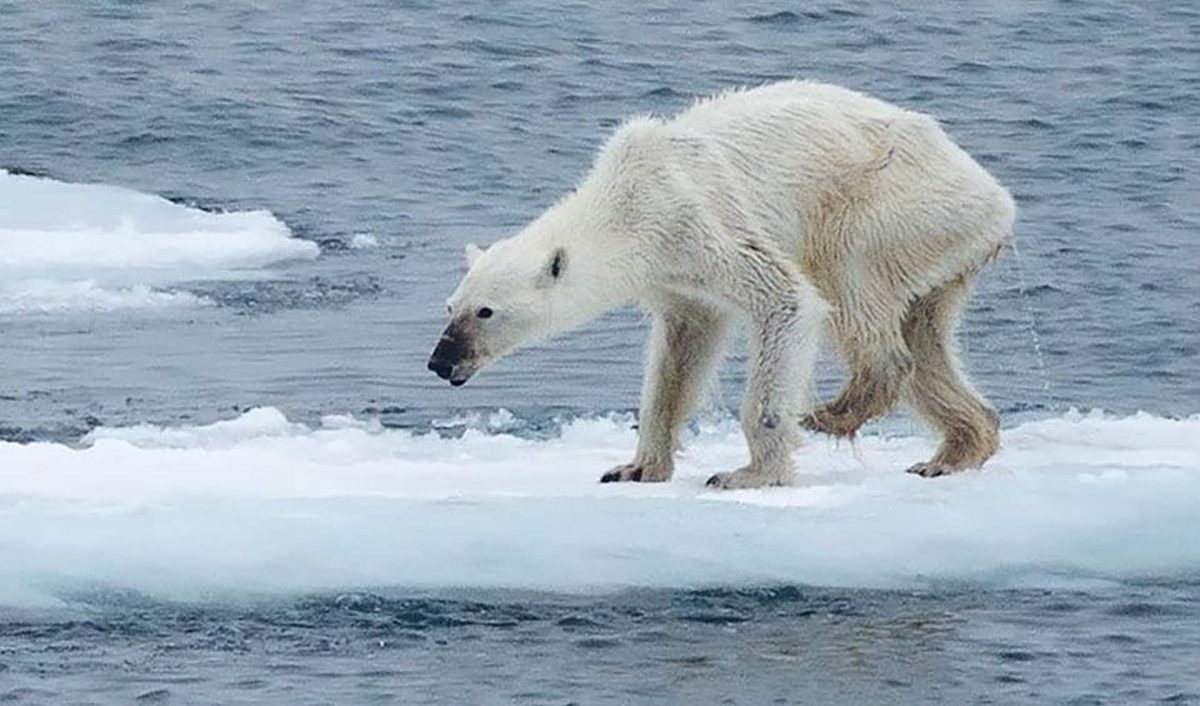
AI is all over the world now and in almost every place you go to. However, not many people know the positive and negative effects AI has on wildlife.
Positive effects
Some positive effects AI has on wildlife is cameras keeping an eye on animals in the wild, helping build a stronger future for nature and people, and helping keeping track of how many species are left and their habitat.
According to the World Wildlife Fund, “The cameras are equipped with night vision and AI that can detect human, wildlife, or vehicle movements within the coverage area in the dark. The system then sends an alert, in real-time, to the operator of the camera system, triggering the appropriate response. By combining decades of ecological knowledge with new technology, we can better monitor ecosystems, anticipate threats, and take timely action to protect people and the planet.”
National Wildlife Federation also says that they use higher technology for their cameras to keep an eye on animals.
They state, “By the internet era, motion-sensor cameras had reached a new level of sophistication, with integrated computers identifying and quantifying species. Similar to AI large language models like ChatGPT, the more data a tool houses—in Wild Me’s case, images of animals—the smarter it becomes, improving its ability to predict and identify wildlife.”
Negative effects
Some negative effects AI has on wildlife include AI devices being misused, animals not being very cared for, and wasting water which affects animals’ habitats.
According to Faunalytics, “Furthermore, if AI technologies distance animals from their caretakers, humans may struggle to read and interpret the animals’ needs. For example, while advanced farming machinery eliminated the need for animals to pull heavy loads, the development of modern factory farms has led to the mass confinement, exploitation, and slaughter of billions of animals annually.”
The Conservation Foundation says that a lot of water is being wasted on AI to keep it up and going since AI uses a lot of energy.
They state, “A significant amount of heat is generated by the energy required to power AI. This heat is released into data centers for AI. Cooling down the data centers requires an enormous amount of water. If current trends continue, the global demand for water driven by AI could reach 6.6 billion cubic meters by 2027.”
Conclusion
Though there are many positive and negative effects AI has on wildlife, there is more of a negative impact on animals in nature. AI is still used a lot throughout the globe and people won’t just stop using AI even if it isn’t the best for animals. It does help keep wildlife safe, but AI sometimes could be misused and that isn’t the best for nature.
Science teacher Jacqueline Alamilla says, “There has to be a better job of finding a way for both worlds to co-exist like the technology AI uses without destroying the environment. There could be a good use of AI especially in helping, maybe like helping people and like scientists better monitor the environment because it’s hard for people to calculate things so quickly, like compared to a computer. So it sounds like such a good thing but at the moment with all the resources that it’s using, it’s not like at a good place, I guess.”
There are both pros and cons to AI in wildlife but it shouldn’t be used as much in nature since it takes the real-life experience out of it and it is not the best since it hurts animals’ habitats and people also like taking advantage of AI.






sarai • May 19, 2026 at 1:11 pm
amazing!
ryder • May 19, 2026 at 9:03 am
so good totally
Kaylie Paxtor • May 18, 2026 at 10:27 am
so awesome great job!!!!!!!!!!!